

The Impact of Kering’s Investment in Valentino
In 2023, French luxury group Kering bought a 30% stake in Valentino, owned by Qatar-based investment firm Mayhoola. The $1.7 billion deal can potentially increase success for both groups.
The merger was a forward-looking move, in part to support Gucci’s continued evolution in a rapidly changing luxury market. In the second quarter of 2023, Kering increased their sales enough to reflect steady momentum, even if slightly below analysts’ forecasts. Gucci also saw a slight uptick during the same period, signaling resilience as the brand adapts to shifting consumer trends. Gucci remains a powerhouse with strong brand equity and long-term potential.
Under Alessandro Michele, Gucci’s revenues roughly tripled, and profits quadrupled during swift expansion from 2015 to 2019. At times, quarterly growth rates approached 50%, something never seen in the modern luxury sector.
However, as the stratospheric success inevitably started to normalize, new leadership came in the form of Sabato De Sarno as creative director—and now, Demna will take over as the brand’s new artistic director. In keeping with that shift, Kering chairman François-Henri Pinault told journalists he wanted the company’s brands to also focus their efforts on a more timeless approach to luxury.
Enter Valentino, with Kering buying a stake in the beloved house, which was originally founded in 1960 in Rome by Valentino Garavani and Giancarlo Giammetti.
Michele then returned to the Kering fold last year as creative director at Valentino. Executives at Kering and Mayhoola hope he will do for Valentino what he previously did for Gucci without losing the maison’s classic appeal. So far, critics have been happy to see graceful, feminine silhouettes pair well with Michele’s bohemian styling.
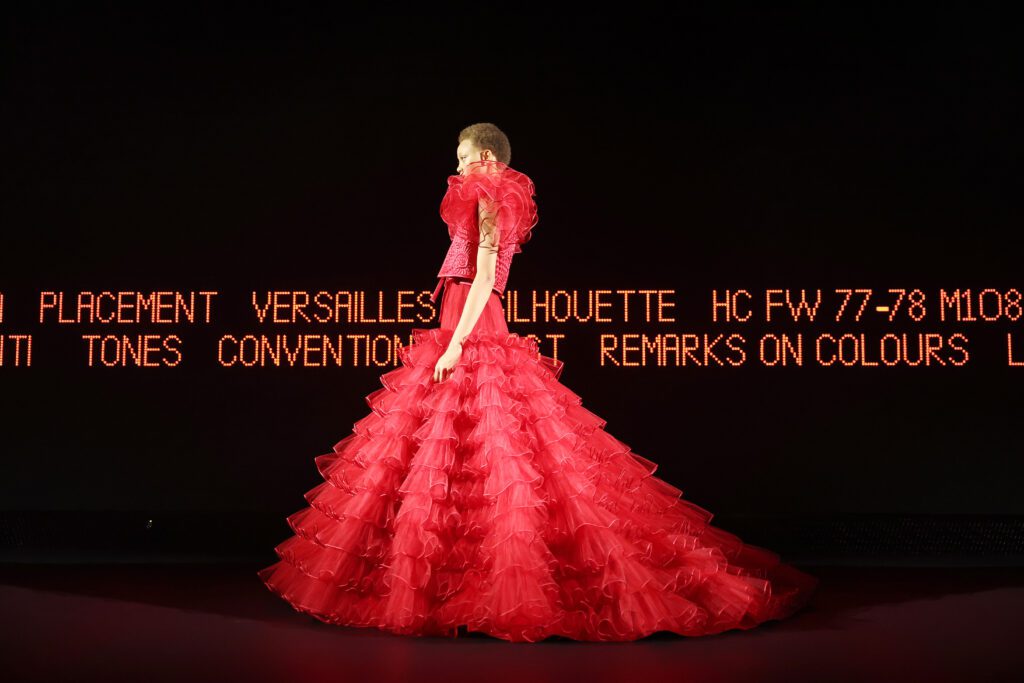
A standout look from Valentino’spring/summer 2025 couture collection (Photo by Daniele Venturelli/Getty)
Michele is working to harmonize heritage and younger tastes as millennials and Gen Z start investing in high-end ready-to-wear and couture. Kering has successfully tapped into the aspirational luxury segment of younger customers with Balenciaga and Gucci, and Valentino aims to harness Kering’s expertise to garner attention from younger clientele while striking a delicate balance to avoid overexposure.
Kering’s portfolio includes Saint Laurent, Bottega Veneta, Gucci, and now a stake in Valentino that offers Kering access to a broader consumer base in the luxury market. That is especially true in haute couture, which is an exciting opportunity for Kering.
For Valentino, coming under Kering’s umbrella could help the brand compete more aggressively with its high-fashion counterparts. The partnership will help Valentino scale internationally as well as foster growth in Asia, North America, and other luxury markets thanks to Kering’s global reach. Plus, the conglomerate’s marketing infrastructure and e-commerce can assist Valentino with customer acquisition and digital expansion in all markets.
A 30% stake in Valentino is a low-risk and high-return investment for Kering who—per the deal—also has the option to acquire 100% of Valentino by 2028 if the brand chooses. Valentino’s name recognition, thanks to its vaunted heritage, means its customer base remains strong and has the potential to grow exponentially.
For Valentino, the investment is a wise choice to scale and expand its global footprint. As Kering is betting, the legendary atelier continues to attract more customers with its reputation as a beacon of glamour.