

From Parisian ateliers to Australian resort wear, global labels are making their mark in the United States—the ultimate proving ground for fashion icons.
It’s widely recognized that most foreign luxury fashion brands, after achieving success at home, inevitably set their sights on the United States. According to global data platform Statista, the U.S. apparel market was valued at over $359 billion in 2024—reaffirming its position as the world’s largest for fashion goods and consumer spending. For globally minded labels, establishing a foothold in the U.S. isn’t just smart business; it’s essential. The following ten buzzed-about labels are poised to join the ranks of fashion’s next icons, with U.S. expansion set to solidify their influence on the world stage.
When it comes to new icons, Dries Van Noten deserves a place at the top of the list.
The brand’s intricate mélange of prints, layers, and art-inspired color palettes exudes understated luxury—with a touch of surprise. New creative director Julian Klausner began his tenure with a bang, presenting jewel-toned capes, silk gowns, and slinky knitwear that balanced sultry and smart for fall 2025. Mr. Van Noten, the founder of the label, would approve.
Another name worthy of icon status is McQueen.

Left: Photo by Moritz Scholz/Getty Images; Middle: Photo by Jeremy Moeller/Getty Images; Right: Photo courtesy of AEYDE
The brand’s late founder, Alexander McQueen, was celebrated for his avant-garde designs and theatrical runway shows. Under former creative director Sarah Burton, the house’s sales tripled from 2014 to 2022. Now, under Irish designer Seán McGirr, McQueen continues to channel its dark romanticism and dramatic aesthetic. Both brands have flagship stores in the United States and can be found at upscale retailers like Saks Fifth Avenue.
Europe may still be fashion’s traditional center, but many labels know they can find success through American expansion.
A century-old Italian atelier celebrated for its sumptuous cashmere and wool, Loro Piana was acquired by LVMH in 2013 for approximately €2 billion. Its refined, heritage-driven aesthetic epitomizes old-money elegance that attracts an elite global clientele, including in the United States. A new Houston boutique opened in 2025, while flagships in New York, Dallas, and Beverly Hills were recently renovated to expand into ready-to-wear, homeware, and leather goods.
Another quiet luxury purveyor, though much younger, is Polène—the French handbag label founded in 2016 by three siblings. Known for its clean lines and sculptural shapes, Polène closed out 2023 with revenue growth exceeding 30%, according to Fashionbi. In 2024, Bernard Arnault’s private equity firm acquired a minority stake in the brand. With flagships in cities from Paris to New York and plans for Chicago and Miami, Polène’s global expansion shows no signs of slowing.
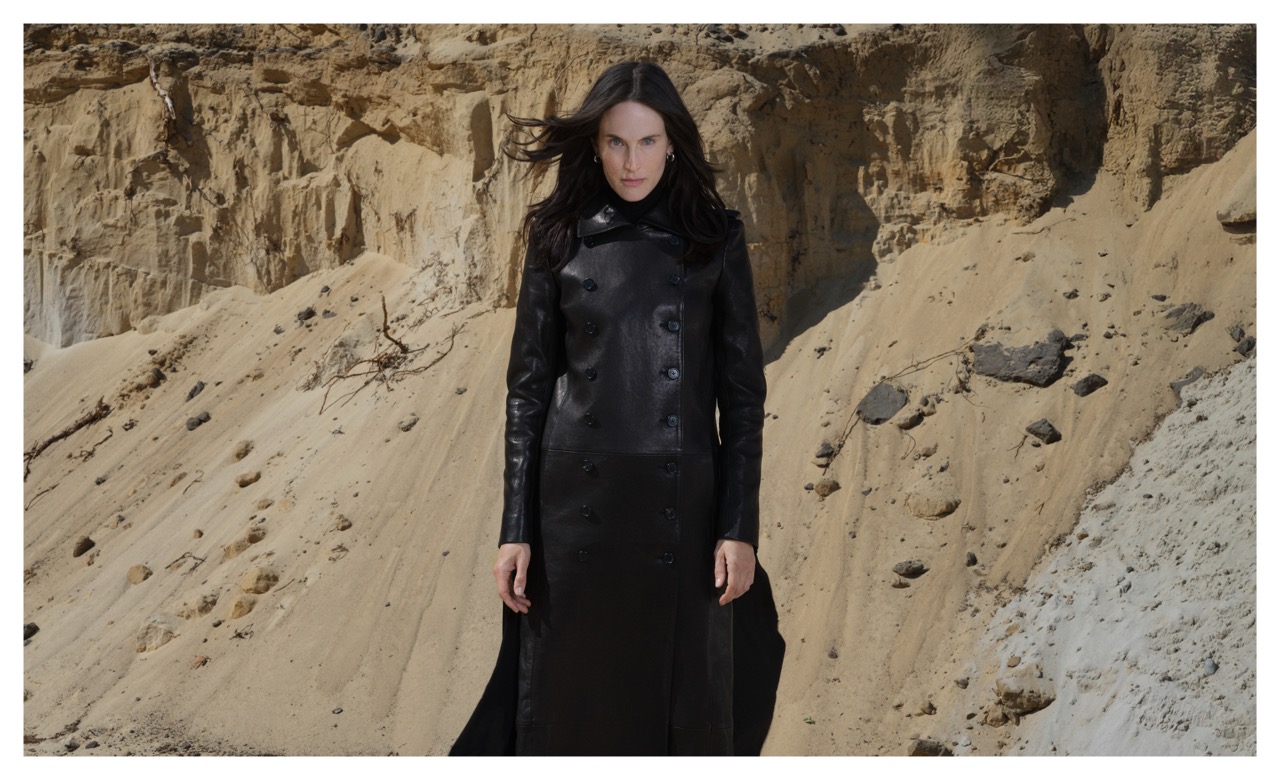
AEYDE unveils its Fall/Winter 2025 collection, Photo courtesy of AEYDE
At a more accessible price point, Berlin-based footwear brand Aeyde appeals to the same quiet-luxury consumer with minimalist designs and relaxed silhouettes, particularly its signature flats. Though it has yet to open U.S. stand-alone stores, Aeyde is available at Nordstrom and Bloomingdale’s.
The French brand’s architectural minimalism has earned a loyal international following.

Left: A menswear look from JACQUEMUS’ Spring/Summer 2026 Le Paysan collection, Photo courtesy of Jacquemus; Right: JACQUEMUS takes Provence to the runway with its Spring/Summer 2026 Le Paysan collection, Photo courtesy of Jacquemus
At JACQUEMUS, founder Simon Porte Jacquemus’ architectural minimalism—imbued with softness and vulnerability—has earned a loyal international following. In May of 2025, the independently owned brand established its own holding company, valuing itself at €576.1 million. The brand operates two locations in the United States—a flagship location in West Hollywood and a two-floor town house location in New York City’s SoHo neighborhood. The label is also carried by leading retailers including Nordstrom and Saks Fifth Avenue.
TOTEME, while equally streamlined in silhouette, favors functional elegance over JACQUEMUS’ romance. The Swedish brand’s muted palettes, clean lines, and quality materials attract consumers seeking polish over flash. TOTEME currently operates five stand-alone U.S. boutiques, including one in Aspen, Colorado, underscoring its strong appeal among quiet-luxury customers.
For consumers drawn to bohemian sophistication, Australian label Zimmermann delivers. The brand built its name on resort and swimwear, still at the heart of its offerings. Sensual fabrics, feminine prints, and playful silhouettes—accented with ruffles, drapes, and cutouts—define its aesthetic. Following a majority stake investment from a private equity firm, Zimmermann is accelerating its global retail expansion, with several new U.S. stores planned by the end of 2025, according to Forbes.
As another purveyor of modern boho-chic, Sézane captures an entirely different mood: think puff-sleeve dresses and slouchy cardigans made for rainy-day café culture. The French brand’s vintage-inspired style is a hit with American consumers. Twelve years after launching, lines still form outside stores on collection release days, while online drops sell out quickly. With multiple U.S. locations and an enduring American appetite for French insouciance, Sézane’s stateside momentum shows no signs of slowing.
The only American name on this list, Thom Browne, launched his New York-based eponymous label in 2001.
Known for its sharp tailoring and signature shrunken proportions, the brand fuses classic codes with whimsical touches—exemplified by its instantly recognizable animal-shaped bags. In 2025, the brand added two new stores in New York and one in Los Angeles as part of an ambitious retail rollout.
As these brands expand stateside, they underscore a simple truth: the United States remains fashion’s most powerful proving ground. For global labels, visibility in the U.S. is more than market share—it’s validation. And for American consumers, the influx of international creativity ensures that the next era of fashion will be more diverse, dynamic, and interconnected than ever.