
The leaders shaping the long-term destiny of luxury houses are thinking in centuries, not seasons, balancing heritage preservation with global expansion.
Luxury is often evaluated by creators and consumers in seasons. The leaders shaping its future think in terms of generations. As customers increasingly gravitate toward heritage, craftsmanship, and enduring value, luxury brand executives are shifting their focus beyond seasonal growth and toward the long-term stewardship of the houses they lead. Many recognize that success depends on treating heritage as strategic infrastructure, not nostalgia.
One house that exemplifies this philosophy is Hermès. Owned by the Dumas family, the company positions its years-long waiting lists for products—a case in point is the continuously coveted Kelly bag—as an exercise in patience.
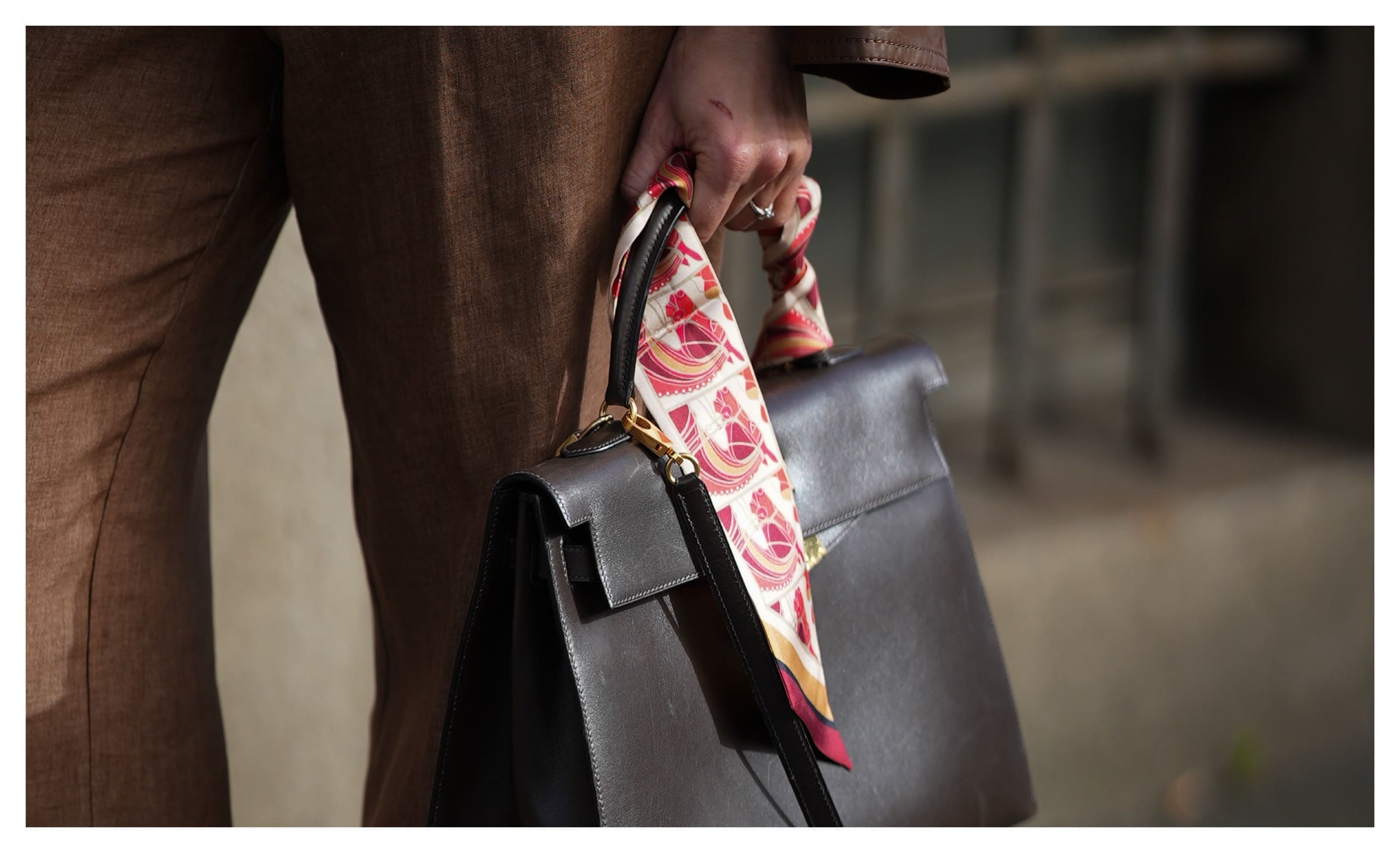
A classic Hermès Kelly 35 Sellier bag; Photo by Moritz Scholz via Getty Images.
Good things, and exceptional leather goods, come to those who wait. The waiting lists enhance the atelier’s aura of exclusivity, but they also reinforce a deeper point: the long lead times are not a supply chain issue, but an appreciation of craftsmanship done right.
After years of waiting for their bag, customers expect perfection, and Hermès delivers by investing heavily in artisan training and French manufacturing. The company trains its craftspeople internally, ensuring expertise is passed from one generation to the next while also allowing artisans to refine their skills continually. Under the leadership of sixth-generation family member Axel Dumas, Hermès has continued opening new ateliers across France, even during broader luxury slowdowns. This signals a commitment to preserving craftsmanship while supporting measured growth. The company’s resistance to overexposure through excessive licensing reflects the same long-term mindset. As Dumas has repeatedly emphasized in interviews, Hermès should grow “without losing its soul.”
Hermès also positions its goods as future heirlooms, an idea reinforced through repair services offered for many of its products, including bags, scarves, and clothing. Stewardship does not end at the point of sale. The work of the hand wins the day—and the decades.
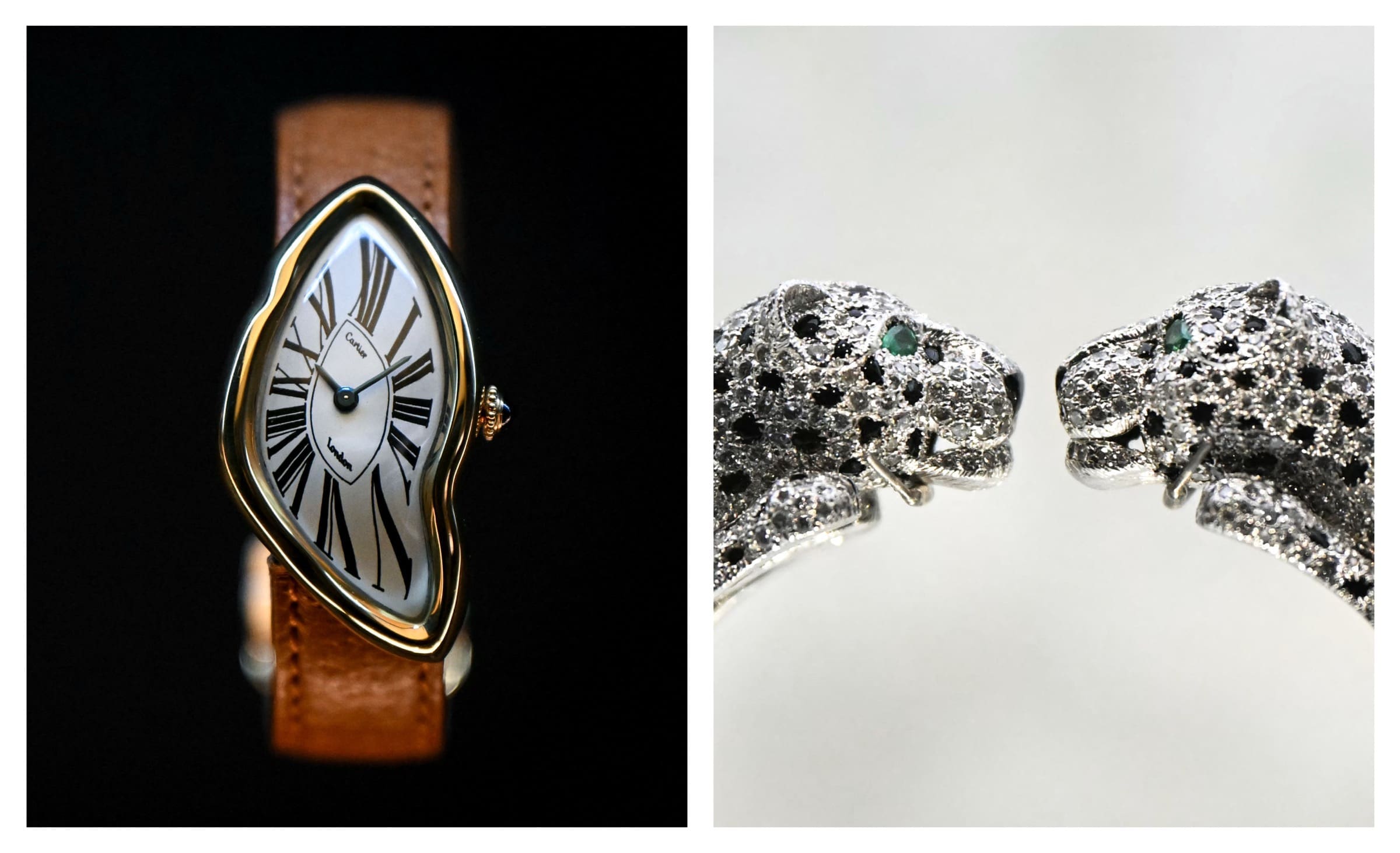
Left: Cartier’s iconic Crash watch, dating to 1967, takes center stage at the V&A’s landmark Cartier exhibition in London; Photo by Justin Tallis via Getty Images. Right: A striking Cartier panther bangle from 1978 showcases the maison’s enduring fascination with its iconic feline motif; Photo by Justin Tallis via Getty Images.
Another luxury goods company focused on stewardship is Richemont. While Richemont is not family-owned, it has long embraced what many describe as a family-spirited philosophy. Each maison under its umbrella is nurtured and granted significant creative autonomy, an approach championed by chairman Johann Rupert, who frequently warned against short-termism and the risks of sacrificing exclusivity for rapid expansion. Within Richemont, heritage is treated as an appreciating asset. Maisons including Cartier, Van Cleef & Arpels, and Jaeger-LeCoultre maintain distinct identities, celebrate their histories, and operate according to their own creative codes. The result is a collection of brands that remain distinct while benefiting from the scale and stability of a larger organization.
Richemont CEO Nicolas Bos continues to build upon that foundation while preparing the company for its next chapter. Before assuming the role, Bos led Van Cleef & Arpels, helping strengthen the maison’s performance while preserving its highly selective distribution strategy and heritage positioning. His leadership reflects a broader commitment to organizational renewal, retail excellence, and thoughtful modernization without compromising the character that made the maisons successful in the first place.
Another way luxury leaders are ensuring long-term relevance is by shaping cities, art ecosystems, philanthropy, and even national identity through fashion. Their influence extends far beyond commerce into the realm of cultural stewardship.
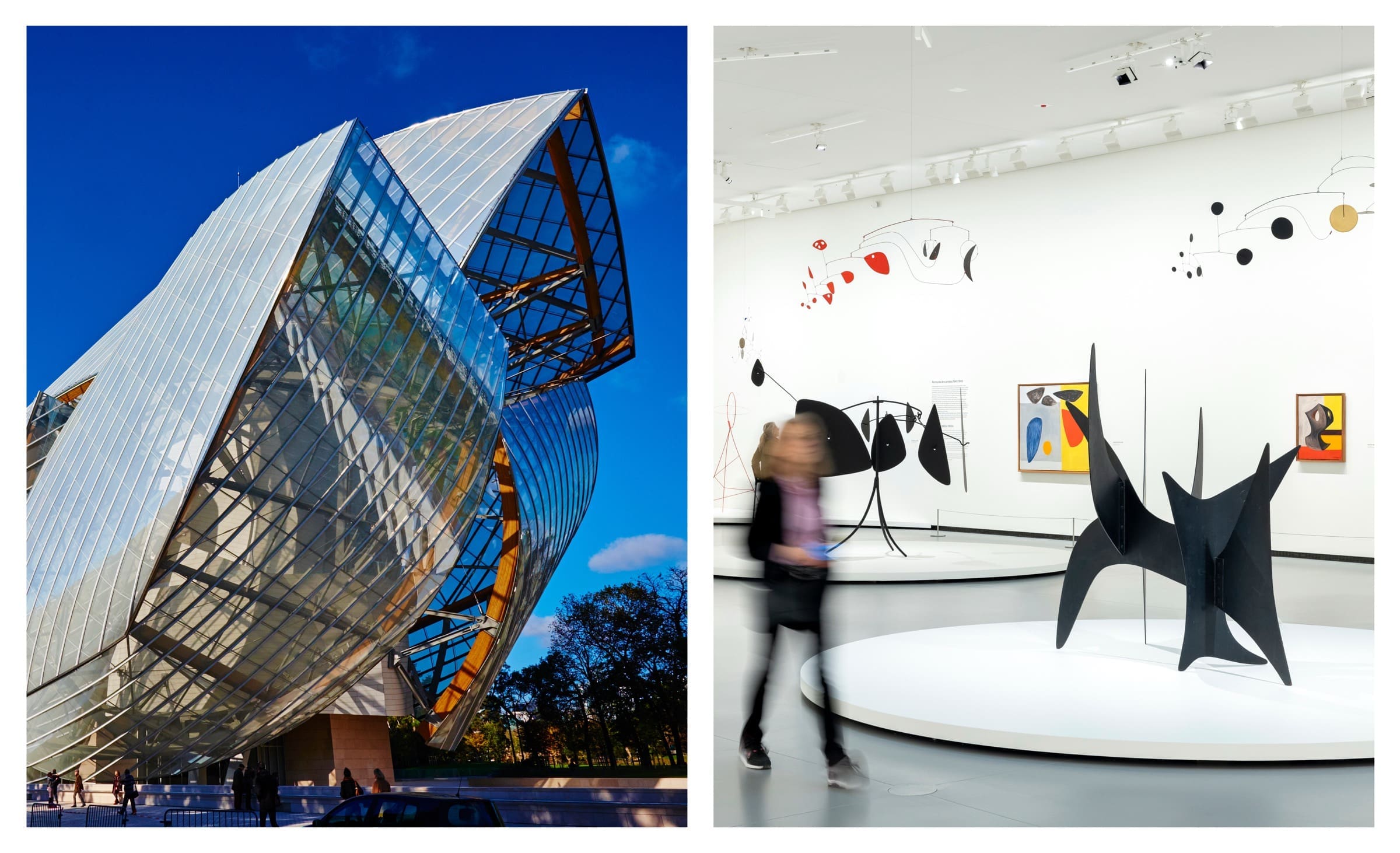
Left: The Fondation Louis Vuitton in Paris; Photo by Tuul & Bruno Morandi via Getty Images. Right: The “Calder, Rêver en Équilibre” exhibition at the Fondation Louis Vuitton in Paris; Photo by Luc Castel via Getty Images
One of the clearest examples of this is LVMH, which has positioned itself as a custodian of French cultural influence under the leadership of Bernard Arnault.
Rather than focusing solely on retail expansion, Arnault invested in the Fondation Louis Vuitton, creating an institution dedicated to contemporary art, architecture, and cultural programming accessible to all. Through exhibitions, concerts, dance performances, and film screenings, the foundation has become a significant patron to French cultural life. In doing so, LVMH has embedded itself within a broader national narrative, reinforcing the idea that luxury houses can shape culture as meaningfully as they shape consumer desire.
This form of stewardship expands the definition of what luxury leadership can be. It is not simply about preserving a brand’s heritage internally, but about contributing to the cultural ecosystems that allow heritage to remain relevant. Arnault’s approach reflects a philosophy that is institutional and symbolic as much as commercial, extending LVMH’s influence well beyond the products it sells.
These luxury brand leaders view their roles as not simply selling products but managing mythologies. In doing so, they must navigate the paradoxes that accompany global ambition: expanding without becoming generic, scaling while preserving artisanal authenticity, and remaining relevant without appearing trend driven.
As the world continues to accelerate, the ultimate luxury may be patience. The leaders building enduring luxury houses understand that their greatest responsibility is not growth alone, but continuity. Economic cycles will come and go. Creative directors will arrive and depart. Trends will rise and fade. What remains is the strength of the institution itself.
In an age defined by speed and disruption, patience may be luxury’s most valuable asset.