
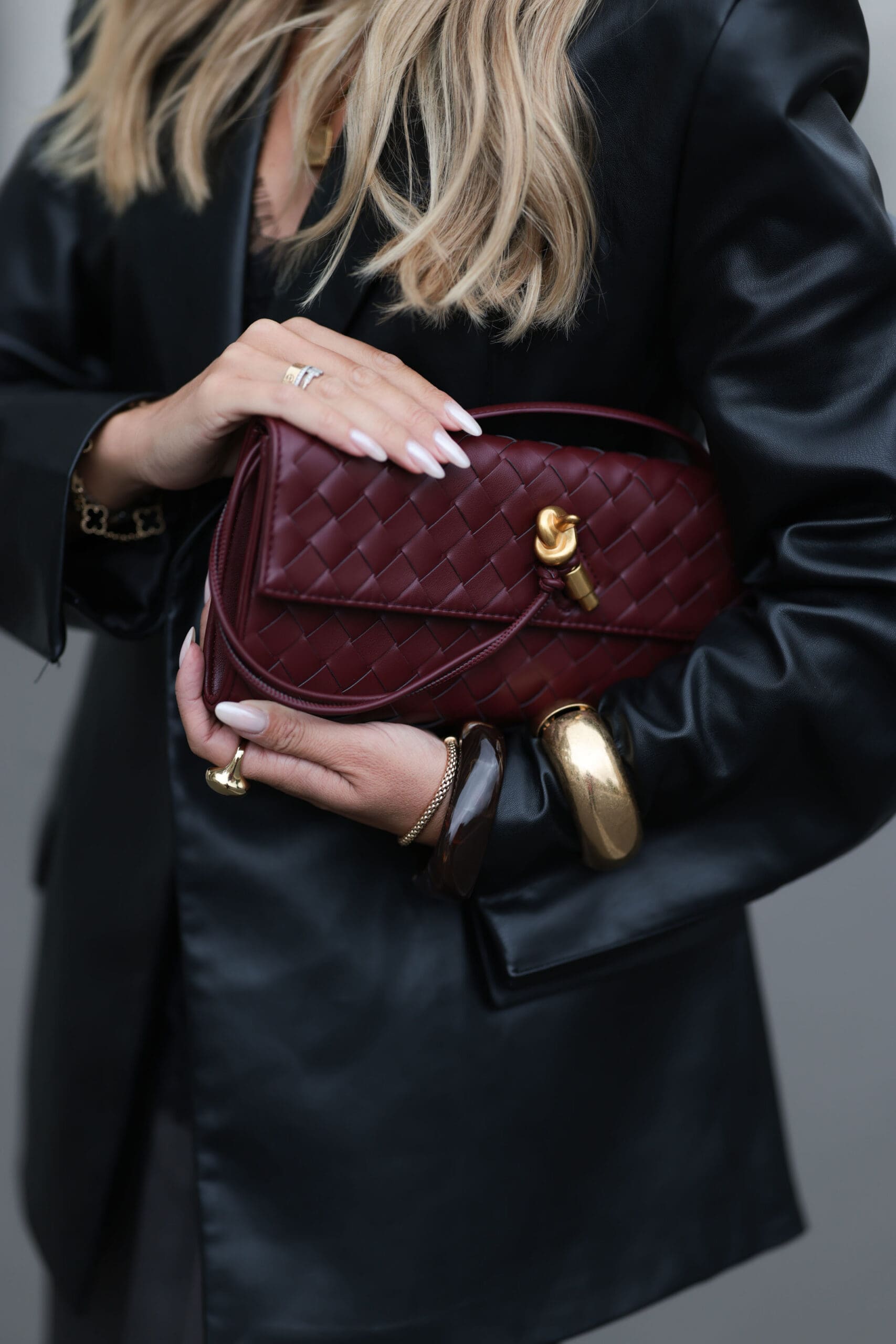
In an era of maximal visibility, some of the most powerful luxury houses are defined by restraint, subtlety, and enduring design language.
In fashion, restraint can make us feel clear, in control, and quietly confident. The quiet luxury trend wasn’t really a trend at all. Long before that phrase entered the cultural lexicon, the most influential luxury houses understood that distinction rarely depends on visibility. While TV shows like “Succession” helped popularize the aesthetic of quiet luxury, its appeal lies in something more enduring: an elevated whisper of luxury rather than the shouting expressions of logos, viral marketing, and endless collaborations. In an increasingly crowded landscape, consumers continue to gravitate toward brands that communicate through subtlety rather than spectacle. The most enduring luxury houses understand that design language is a form of stewardship for their brand. Logos can change, campaigns can come and go, but a recognizable visual identity can endure for generations.
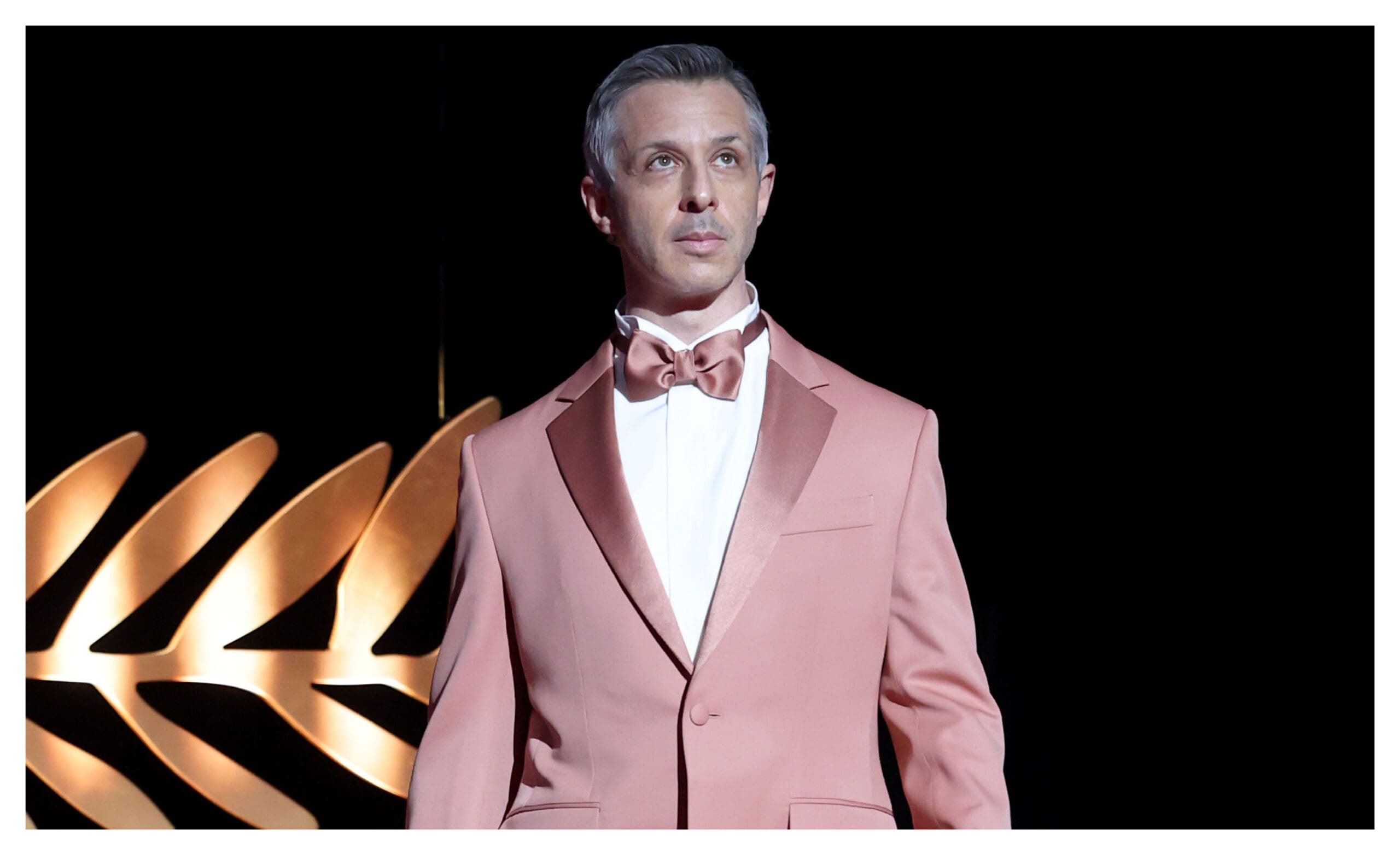
Jury member Jeremy Strong takes the stage during the opening ceremony of the 78th Cannes Film Festival in Cannes, France, Photo by Pascal Le Segretain via Getty Images
The brands that have mastered reserved opulence understand that recognition need not depend on obvious, overt branding, but rather on soft signals. For example, Bottega Veneta is rooted in intrecciato. The house’s woven technique has become its signature, instantly recognizable to those in the know. It’s a look that continues to endure.
Loro Piana is another heritage brand that has stuck to its principles of understated elegance. Long associated with quiet luxury, Loro Piana continues to embrace extreme comfort. Soft tailoring, fluid shapes, and neutral tones are the brand’s design language, quietly distinguishing it for maximum impact. From Meghan Markle in Loro Piana cashmere sweaters to Angelina Jolie in its maxi dresses and Jeremy Strong in custom-made suits, the brand appeals to those who want to stand out while exuding serene refinement.
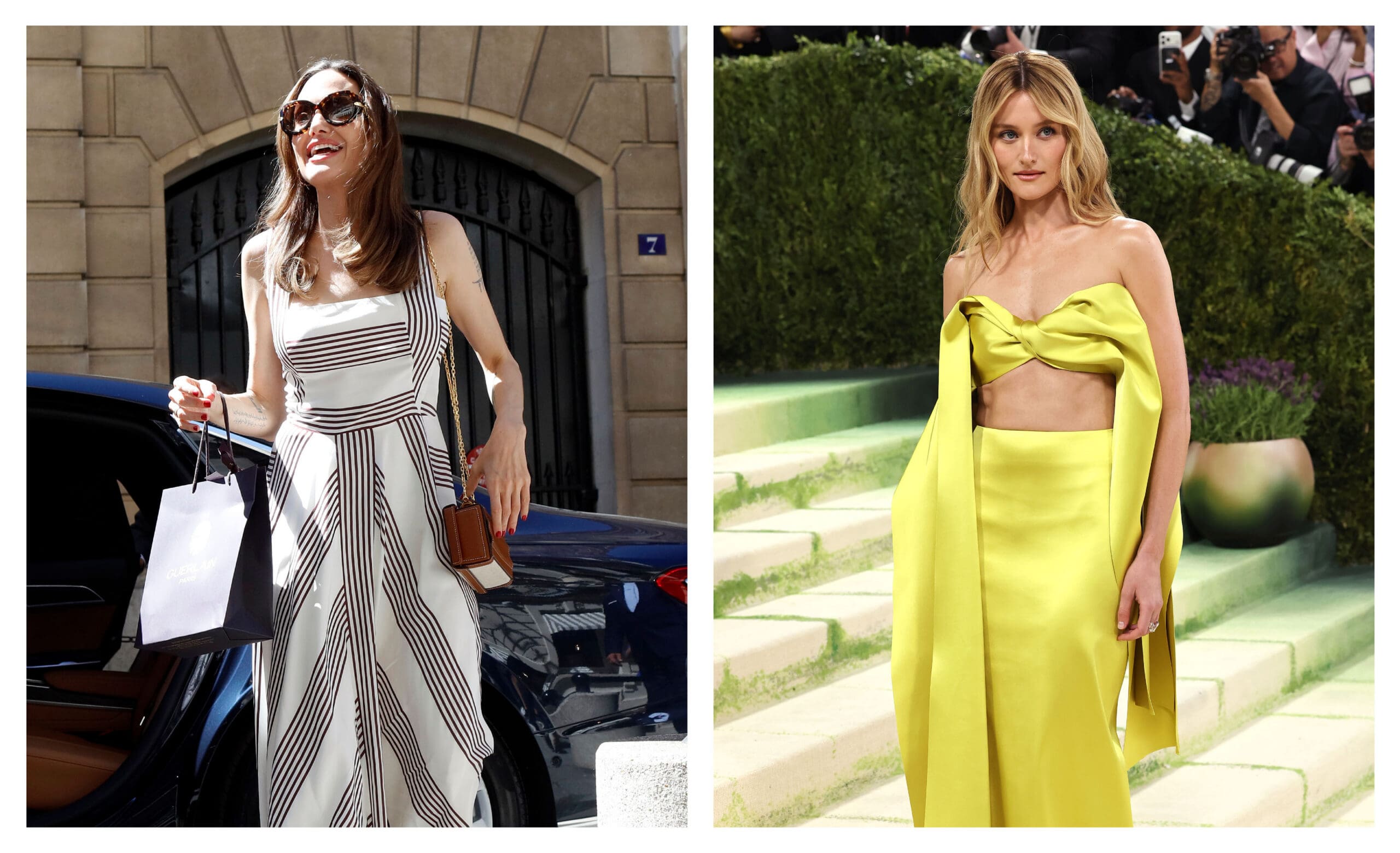
Left: Angelina Jolie steps out in Paris wearing an elegant Loro Piana maxi dress, Photo by Mehdi Taamallah/NurPhoto via Getty Images; Right: Sarah Pidgeon makes a bold entrance at the 2026 Met Gala in a sculptural LOEWE two-piece ensemble, Photo by Gilbert Flores/Variety via Getty Images
LOEWE demonstrates that discretion need not mean a conservative approach to design. Founded in 1846, the house has balanced innovation with a deep respect for its heritage in leather craftsmanship. Under former creative director Jonathan Anderson, LOEWE became known for blending artisanal techniques with imaginative, often surrealist designs. Today, under Jack McCollough and Lazaro Hernandez, the brand continues to evolve while remaining rooted in the artistry that has defined it for generations. The result is a form of modern luxury that feels contemporary without abandoning its identity.
It’s not only the heritage houses that have excelled in restrained elegance. The Row is a contemporary brand that has made a name for itself through its near-monastic style. The brand has built its reputation on the belief that luxury need not announce itself. Severe cuts, oversized yet meticulous tailoring, and a neutral palette without logos signal clothing that is intentional and functional. The Row’s extreme minimalism is a salve for the over-the-top state of contemporary life.
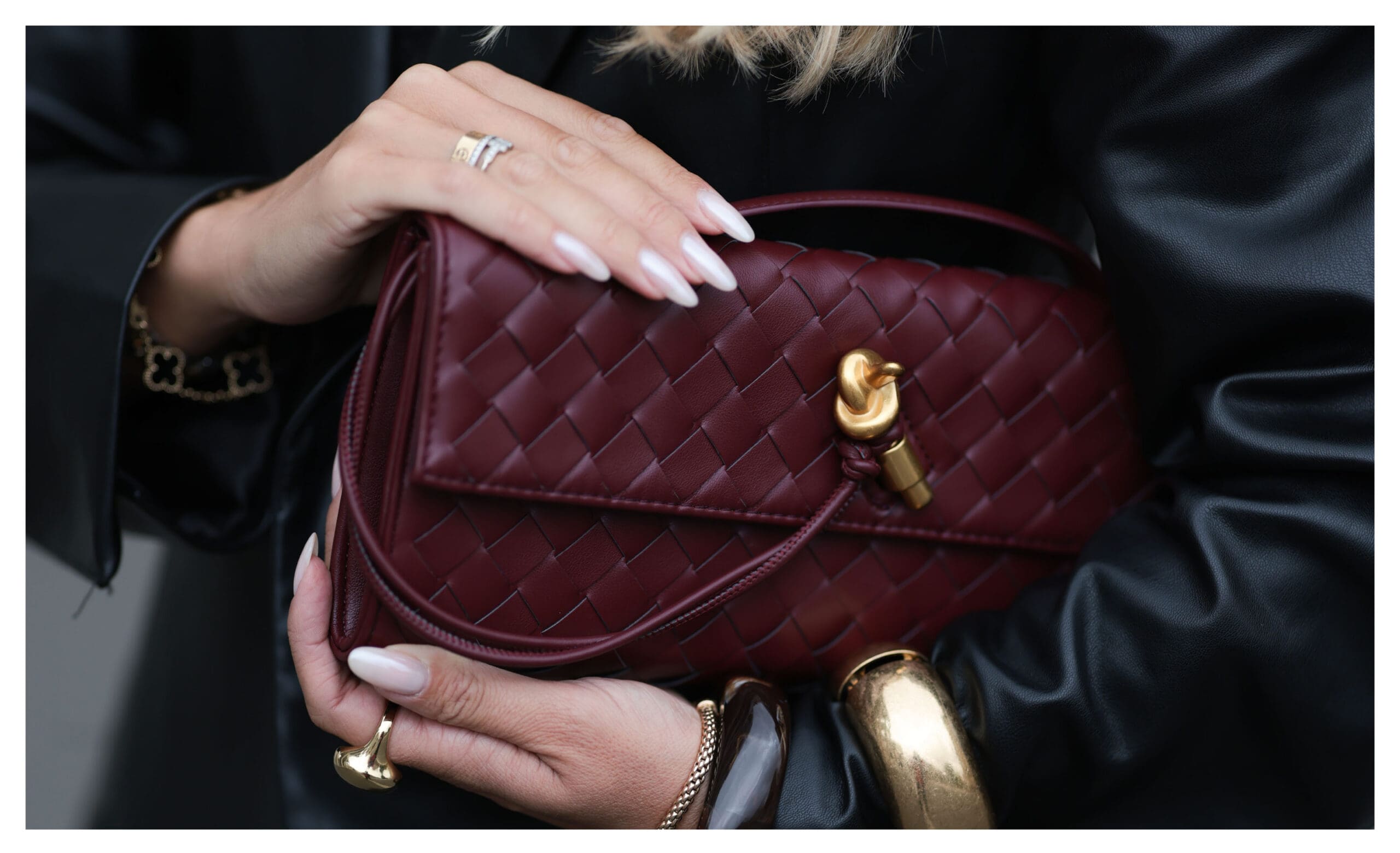
Bottega Veneta’s Andiamo Clutch in rich Barolo, Photo by Jeremy Moeller via Getty Images
In an age of excess, there is a particular confidence in choosing restraint. It seems serenity may be what true luxury comes down to. In a world overrun by maximal, look-at-me fashion, brands like Bottega Veneta, Loro Piana, LOEWE, and The Row demonstrate that influence does not require volume. The quiet ones often hold the most enduring power.